Ensure Quality of the Products
Two decades ago, Pashmina shawls were a top choice for the stylish and sophisticated. But then, the market got filled with fake versions. These copies made it hard for people who really care about unique, high-quality fashion to find the real thing.
We at Femmake understand this problem. That’s why we offer only 100% real, hand-made Pashmina shawls. Each shawl is made from the softest Cashmere wool from the Himalayas, hand-woven by skilled artisans. No mass-production, no fakes, just genuine, top-quality Pashmina.
Each Femmake shawl is unique – you won’t find two exactly alike. We believe that once you buy one of our Pashmina shawls, you’ll love it so much you’ll want more.
At Femmake, we’re not just selling shawls. We’re offering a piece of luxury and a nod to the hard work of the artisans who make them. Check out our collection today and experience the real charm of Pashmina.
Ways to Confirm Authenticity of a Pashmina
Identifying an original Pashmina can be a bit tricky, especially with the proliferation of imitations in the market. Here are some points to help you check the authenticity of a Pashmina.
1. Check for Label
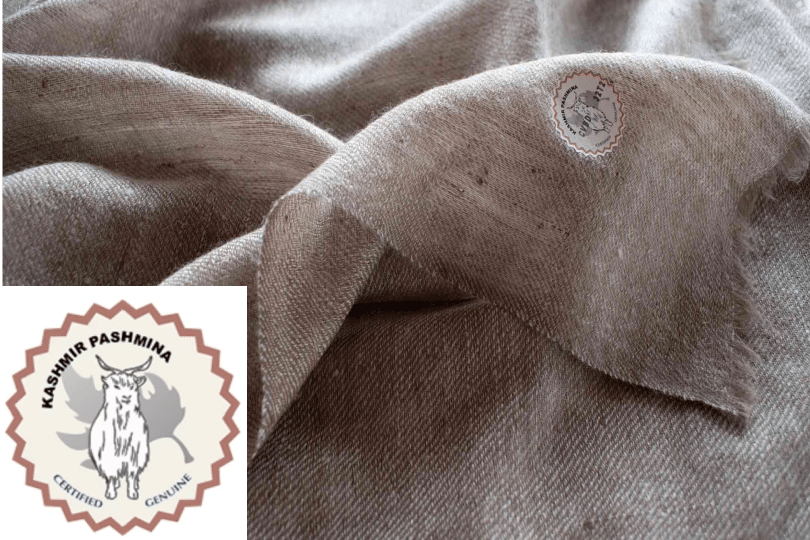
For identification of a genuine Kashmir Pashmina Shawl or Cashmere, a label has been developed by the Craft Development Institute (CDI) along with Tahafuz – a society dedicated to artisan welfare and Govt. of India have developed a label for identification of Handspun & Handwoven Pashmina. The label is non-imitable and non-removable containing a numerical code which can be verified online on http://www.kashmirpashmina.secure-ga.com/
2. Check the Feel and Comfort
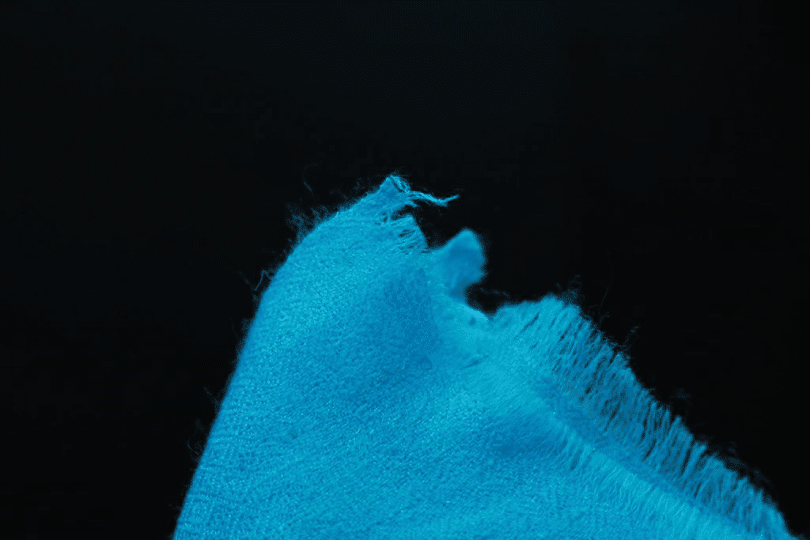
The first and most fundamental way to identify pure Cashmere is by its feel. An original Pashmina shawl is extremely soft to the touch, unlike synthetic or lower-quality fibers which might feel rougher. It should feel comfortable and luxurious against your skin. Genuine Pashmina will not cause itching or discomfort when wrapped around you. This is because Pashmina is a hypoallergenic fiber, meaning it does not provoke any allergic reactions. Its texture should be as smooth as butter, due to the fine diameter of the fibers. Moreover, the fibers are not straight and bumpy, which means they adhere to each other and do not stick out. If your luxury wrap doesn’t meet these characteristics, it might not be an authentic Pashmina.
3. Weave Examination
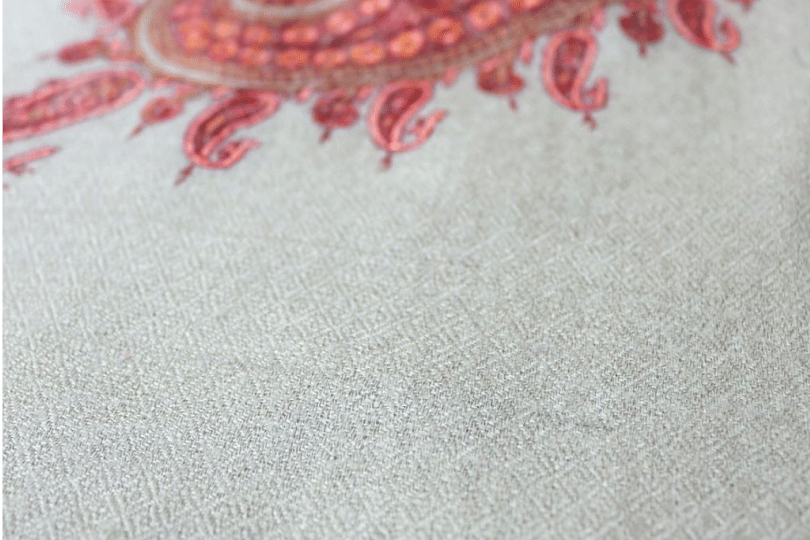
The texture of your Pashmina will only be even if it’s machine-made or a mixed blend instead of a pure one. A 100 Pashmina scarf that has been painstakingly handcrafted will show some form of irregularities since it’s done by hand. At Femmake, our artisans painstakingly work for days and months to create a masterpiece that’s fine and accentuates your personality and your outfit.
4. Ring Test
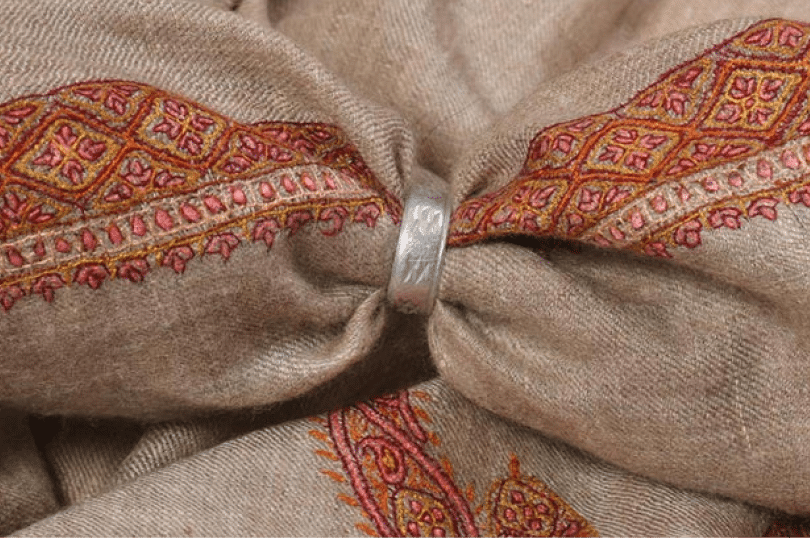
The “Ring Test” is a traditional method used to authenticate a Pashmina shawl, operating on the principle that genuine Pashmina, due to its fine and lightweight nature, can be pulled through a small- to medium-sized ring. To conduct this test, the shawl is folded lengthwise multiple times until it becomes a thin strip, and then pulled through the ring. If it passes through easily, it suggests the shawl could be a real Pashmina. However, this test isn’t infallible. Some synthetic shawls made from very fine materials might also pass, and some authentic Pashmina shawls, especially those tightly woven or heavily embroidered, might not. Therefore, the Ring Test should be used alongside other verification methods, such as examining the material, texture, weave, label, and price.
5. Burn Test
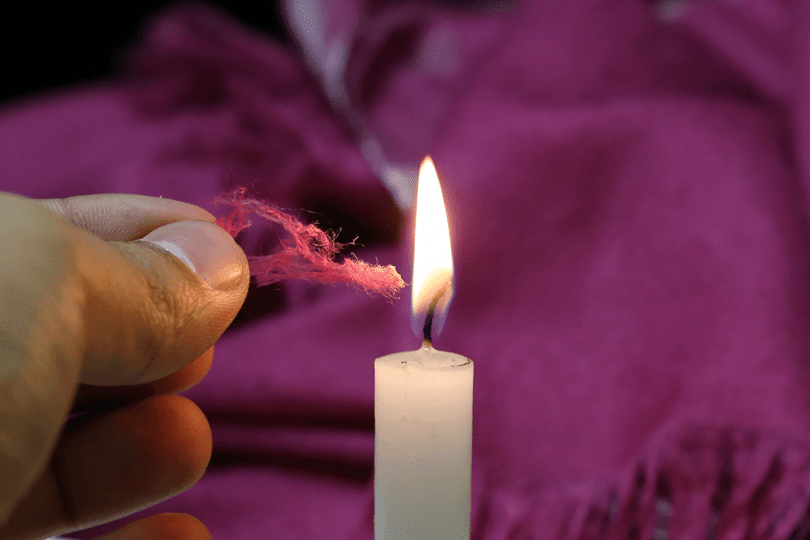
The “Burn Test” offers a useful method for determining the authenticity of a Pashmina shawl, focusing on the reaction of its fibers to fire. To carry out this test, you’ll first need to extract a few threads from the shawl (typically from the fringe) and then ignite them. When set afire, authentic Pashmina, which comes from natural animal hair, will have a scent akin to burnt hair and will quickly extinguish once the flame is removed. The ash left behind should be powdery and easily crumble upon touch. Conversely, synthetic fibers often give off a burning plastic smell, may continue to burn or melt even after the flame is removed, and usually leave a hard, bead-like residue instead of powdery ash. While informative, the Burn Test should be conducted carefully to prevent damage to the shawl, and it should be used in combination with other methods of verification.
6. Rubbing Test
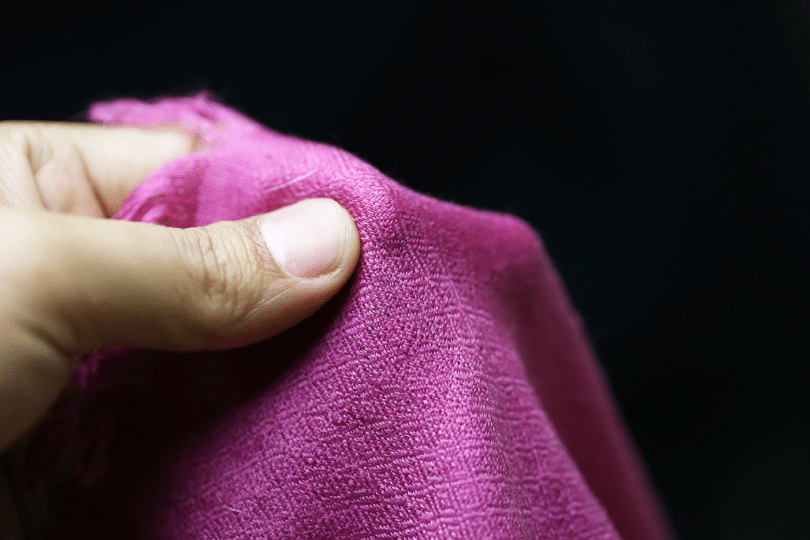
The “Rubbing Test” is another practical method to determine the authenticity of a Pashmina shawl. In this test, you take a corner of the shawl and rub it against its own surface. The goal is to see if it generates static electricity, a property common in synthetic fibers like polyester. If your Pashmina is counterfeit and made of such synthetic materials, it will produce a noticeable amount of static electricity when rubbed. This static charge can even attract dust particles towards the shawl. In contrast, an authentic Pashmina, made from natural animal hair, does not generate significant static electricity.
7. Original Pashmina pills over time
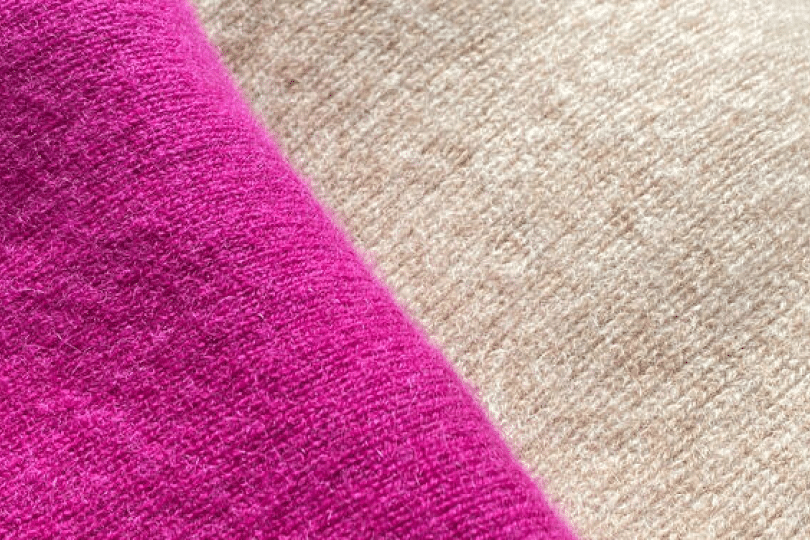
Genuine Pashmina, being an animal fiber, has a natural tendency to pill or form small, fuzzy balls on its surface. Even with careful handling, some degree of pilling is expected over time. A lack of pilling may indicate the presence of synthetic fibers.
8. Shine Test
The “Shine Test” is a simple yet effective method to assess the authenticity of a Pashmina shawl. Genuine Pashmina has a subtle, natural sheen that reflects light softly, providing it an elegant and luxurious appeal. This unique shine is a result of the natural properties of the Pashmina wool, which comes from the undercoat of the Capra Hircus goat found in the Himalayan region. In contrast, synthetic fibers often have an artificial, glossy shine that is much brighter and harsher. To conduct the Shine Test, hold your shawl under natural light and observe its reflection. If the shawl’s shine is soft and subtle, it could be a genuine Pashmina. If it reflects light brightly and appears excessively shiny, it might be made from synthetic materials.
9. Purchase from a Reputable Seller
Always buy Pashmina shawls from a trusted seller. Genuine Pashmina shawls are expensive due to the cost of the materials and the labor-intensive process of making them. If a deal seems too good to be true, it probably is.